Pop-under advertising has become one of the most debated yet quietly effective formats in the digital media landscape. Unlike pop-ups, which appear directly on top of a user’s active window and disrupt their browsing experience, pop-unders open in a separate browser tab or window behind the current screen. This subtle difference has helped pop-unders maintain a unique position in online marketing, balancing visibility with a less intrusive approach. Although not universally loved, the format continues to thrive due to its performance advantages, cost-effectiveness, and appeal to advertisers working with a broad range of verticals.
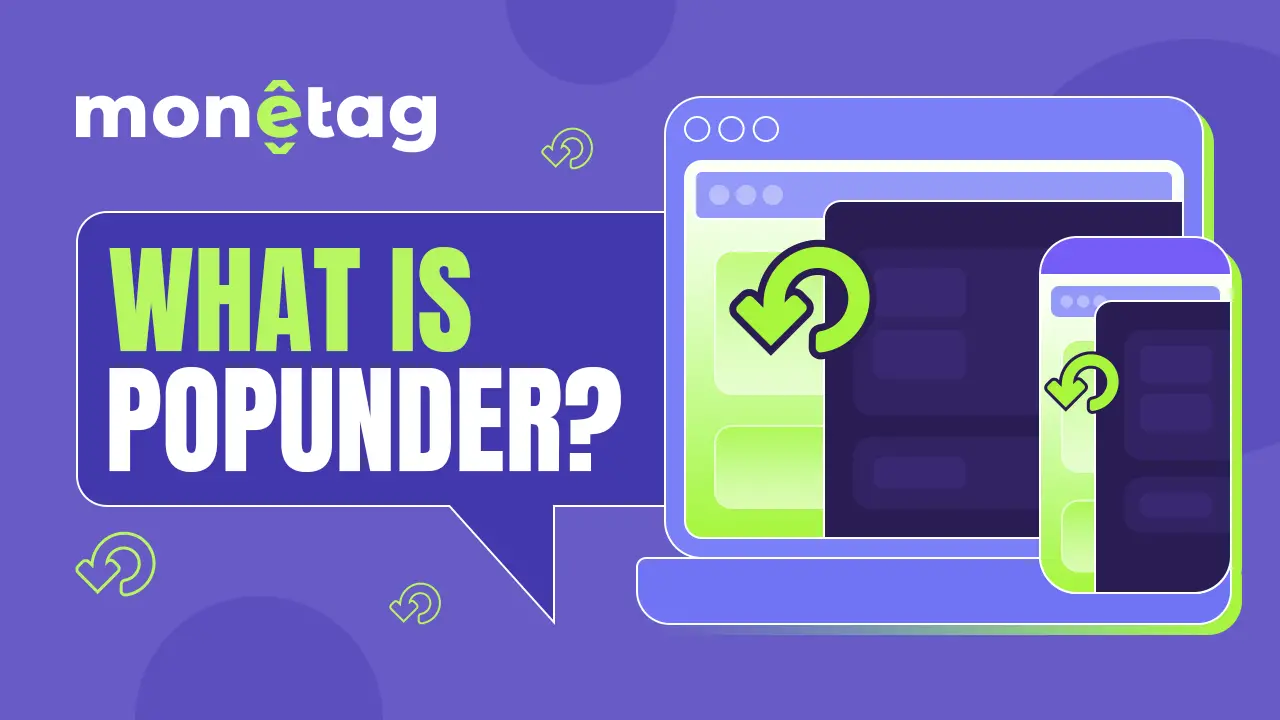
Much of the effectiveness of pop-under ads comes from their ability to command user attention at the right time. Because they stay hidden until a user closes or minimizes their main browser window, they are viewed when the user is not actively focused on competing content. This often results in longer engagement periods and better pop under ads conversion rates for advertisers compared to more aggressive ad formats. The delayed reveal also reduces the irritation factor commonly associated with ads that interrupt reading or scrolling experiences, making the pop-under more acceptable for many users.
Another reason pop-under ads remain popular is their cost efficiency. They generally come at a lower price compared to other high-impact formats such as video prerolls or interactive display ads. For advertisers working with limited budgets, pop-unders offer a way to drive substantial traffic without overspending. This is especially beneficial for industries like sweepstakes, gambling, VPN services, downloads, and affiliate marketing, where campaign profitability depends heavily on maintaining a low cost per acquisition. The format’s affordability enables marketers to test creatives, optimize funnels, and scale campaigns with less financial risk.
Publishers also benefit from using pop-under ads. They provide an additional revenue stream that can be integrated without restructuring a site’s layout or compromising user experience. Since the ad triggers only when a user interacts with the page, publishers can monetize traffic effectively even if visitors don’t engage directly with on-page banners. For websites with high volumes of traffic but low engagement on traditional ad placements, the pop-under format can be an essential part of a broader monetization strategy.
However, the format is not without criticism. Some users still find pop-unders intrusive, and certain browsers implement restrictions aimed at reducing their frequency. To remain effective and ethical, advertisers must work with reputable networks that prioritize user safety, proper frequency capping, and compliance with browser policies. When used responsibly, pop-unders can coexist with user expectations and still deliver strong performance.
In an era dominated by sophisticated ad technologies, pop-under advertising remains a surprisingly resilient tool. It offers a compelling mix of visibility, affordability, and conversion potential for both advertisers and publishers. Although the landscape of digital advertising continues to evolve, the pop-under format…