
Dubai is widely recognized as a city of ambition, innovation, and architectural excellence, making it an exceptional subject for 3D modeling and digital visualization. Over the past few decades, the city has transformed from a quiet desert region into a global hub of luxury, technology, and modern design. This dramatic evolution has inspired architects, designers, and digital artists to recreate Dubai through highly detailed 3D models that reflect both its physical structure and its visionary spirit.
The architectural landscape of Dubai is one of its most compelling features in 3D modeling. The city is home to some of the tallest, boldest, and most unconventional structures in the world. Buildings such as the Burj Khalifa, with its soaring height and elegant form, or the Museum of the Future, with its fluid curves and intricate calligraphy, present unique challenges for 3D artists. Accurately modeling these structures requires precision, advanced software skills, and a strong understanding of materials and proportions. Each building is not just a structure but a statement of modern design, which makes digital recreation both demanding and rewarding.
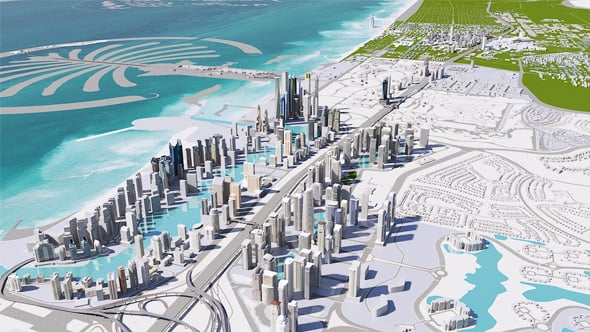
3D models of Dubai are especially valuable in architecture and real estate development. Before construction begins, developers use digital models to visualize projects, test design concepts, and present ideas to investors and clients. These models 3d models Dubai allow viewers to experience buildings and entire communities in a realistic way, helping them understand scale, layout, and aesthetics. In a city known for luxury living and large-scale developments, high-quality 3D visualization plays a crucial role in decision-making and marketing.
Realism is a defining element of Dubai-focused 3D modeling. The city’s skyline is characterized by glass façades, metallic surfaces, and carefully planned lighting that changes throughout the day. Capturing the intensity of sunlight, reflections on skyscrapers, and the glow of city lights at night requires advanced rendering techniques. Many artists also incorporate natural elements such as desert sand, the Arabian Gulf, and landscaped urban spaces to create a balanced and authentic visual environment.
Beyond professional use, 3D models of Dubai have become increasingly popular in entertainment and digital experiences. The city’s futuristic appearance makes it a perfect setting for films, video games, and virtual reality projects. Through immersive 3D environments, users can explore Dubai’s streets, landmarks, and skylines without physical limitations. These digital experiences help promote tourism, cultural awareness, and global interest in the city.
As technology continues to advance, the role of 3D modeling in representing Dubai will only grow. With the rise of virtual tours, digital twins, and smart city planning, 3D models are becoming more interactive and data-driven. Dubai’s commitment to innovation ensures that it remains at the forefront of digital visualization, allowing the city to exist not only as a physical destination but also as a dynamic and evolving digital world.